Saturday, December 30, 2017

The Xiaomi Mi A1: 2017’s best mid-range Android phone

2017 saw the release of the Google Pixel 2, Samsung Galaxy S8, and, on the Apple side, the iPhone X. While these phones are flagships monsters with a plethora of features, the caveat is that they are very expensive and will immediately turn away regular buyers. But one model from this year has stood out for having most of the features of the mentioned phones while being easy on the budget. That’s the Xiaomi Mi Ai. 

Image source: androidheadlines.com

To be sure, the Chinese company has been making great, competitively priced smartphones in the past few years, and the Mi Ai is a crowning glory of sorts. For one, like the Pixel line, it’s an Android One phone. This means that it’s officially powered by Google. 

There are great benefits to having that Android One stamp, as it means updates on the latest Android versions come to the phone first. Also, it’s devoid of tons of manufacturer bloatware. It’s simply a solid, hassle-free interface. 

The Mi A1 has garnered high reviews and editors’ choice awards among many Android- expert websites. Aside from the stock Android experience, it comes in a slim 7.3mm body with a 5.5-inch LTPS IPS Full HD display and 2.5D curved glass at the top. It is driven by the trusted octa-core Qualcomm Snapdragon 625 processor, 4GB of RAM, and a base internal storage of 64GB (which can be improved on by adding 128GB via a microSD card slot). 

The Mi Ai features dual rear cameras, a unique feature for its mid-range pricing. This is particularly enticing because these are both 12MP cameras, with one using wide-angle and the other a telephoto lens. These cameras allow for solid zoom and portrait shots in various lighting conditions. 

Finally, the Xiaomi Mi Ai comes with Android 7.1 Nougat, which should seamlessly update to the Oreo before the year ends. 

Image source: techadvisor.co.uk

Hello, Gina Benderson here, IT researcher, tech expert, and scientist. I love sharing the latest news on technology and other innovative projects. Follow me on Twitterfor more tech updates.

Thursday, November 30, 2017

What do viruses, Trojans, and other malware actually do?

Computer virus. Spyware. Trojan. You’ve heard it all from somewhere but don’t actually know what they are. You just know you don’t want them on your computer. Read on to know what each of them is: 

Image source : 4cornerit.com

What is malware? 

The word malware is short for “malicious software.” It’s a general term used to describe programs such as a virus, worms, Trojans, that are designed to wreak havoc on your system or get private information like your credit card information. 

Virus 

Computer viruses wreak havoc on your files. Like a biological virus, a computer virus infects a file and copies itself, spreading from one file to another, and then infecting one PC to another when the files are copied or shared. 

Spyware 

Spywares steal your information such as bank details, passwords, and any other information the creator wants to extract from your computer. 

Trojan horse 

Trojan horses are programs that may seem normal but secretly have malicious code that does something else. Trojans are used to create backdoors that allow your PC to be remotely controlled. The main difference between a Trojan horse and virus is that Trojan horses can’t replicate themselves, they must be installed by an unwitting user. 

Image source : hwstatic.com

My name’s Gina Benderson. I’m an IT researcher and scientist. My job involves improving, inventing, and evaluating new systems. Visit my page for more things IT.

Monday, October 30, 2017

Are wireless headphones for you?

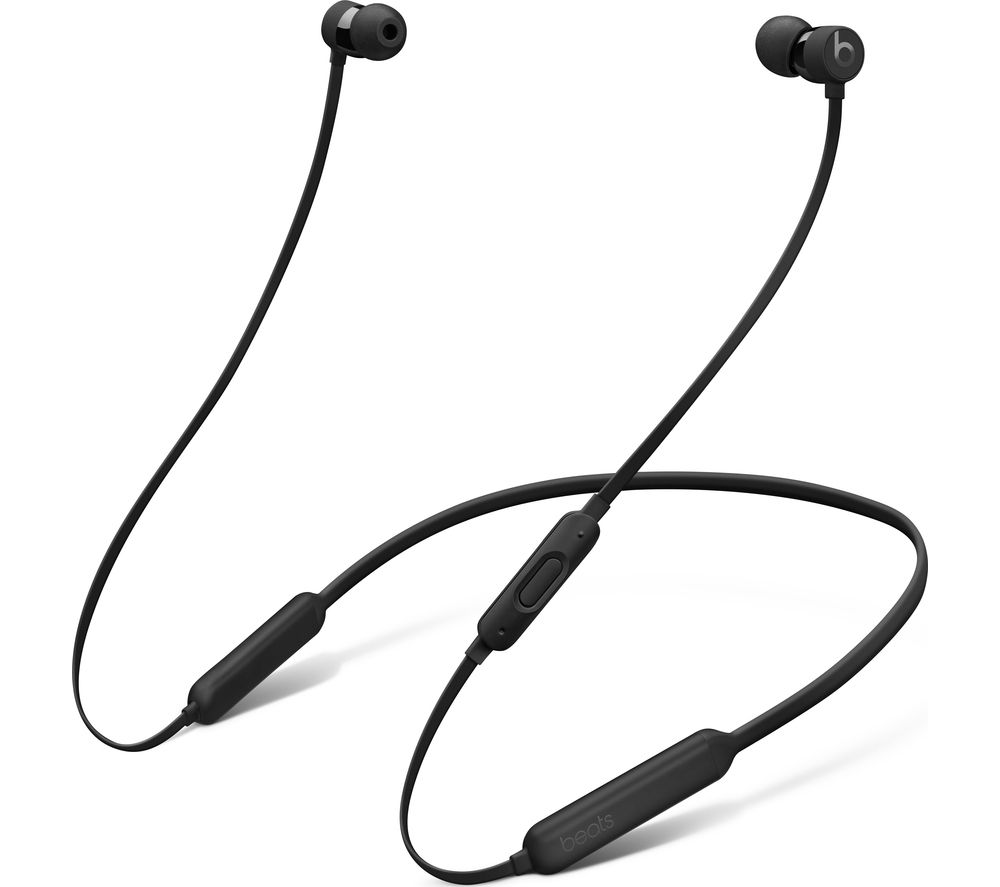
Nowadays, almost everything has a wireless option and it’s no surprise. While wireless headphones have been around much longer than the latest wireless charging option for smartphones, their practicality is still questioned by many. 

Image source: makeuseof.com

Being connected without wires can help one focus without having to worry about being strangled, especially when working out. If your reason for opting for wireless headphones is to get your workout done without entanglements with sweaty wires, then truly go for that option. However, the sound quality won’t be as clear as the wired ones, as interference is an issue for most models.

Bluetooth headphones are improving over time and are offering better battery life than before, and the sound quality is now more appreciated by music fans. Still, it’s your preference that matters. If you’re a music fan and would love to have undisturbed sound, go for a wired set. 

The portability, audio quality, compatibility, and price should be considered when buying a set. When you don't want the burden of having to charge too many devices, look for brands that have great battery life, otherwise, ditch wireless headphones altogether. Research about the compatibility of your device with the headphones as other devices are picky with their Bluetooth connections. While wireless headphones are obviously more portable than wired ones, it doesn’t come with a cheap price tag. If it’s within your means or if you’re willing to splurge on a quality brand, by all means, enjoy life with wireless headphones. 

Image source: dixons.com

Hi, my name is Gina Benderson and I’m an IT researcher and scientist. My friends consider me a tech expert as my job gives me the avenue to review the best and latest trends in the IT world. For similar updates, visit my blog.

Wednesday, July 19, 2017

What Semiconductors and Circuit Boards Mean to The World

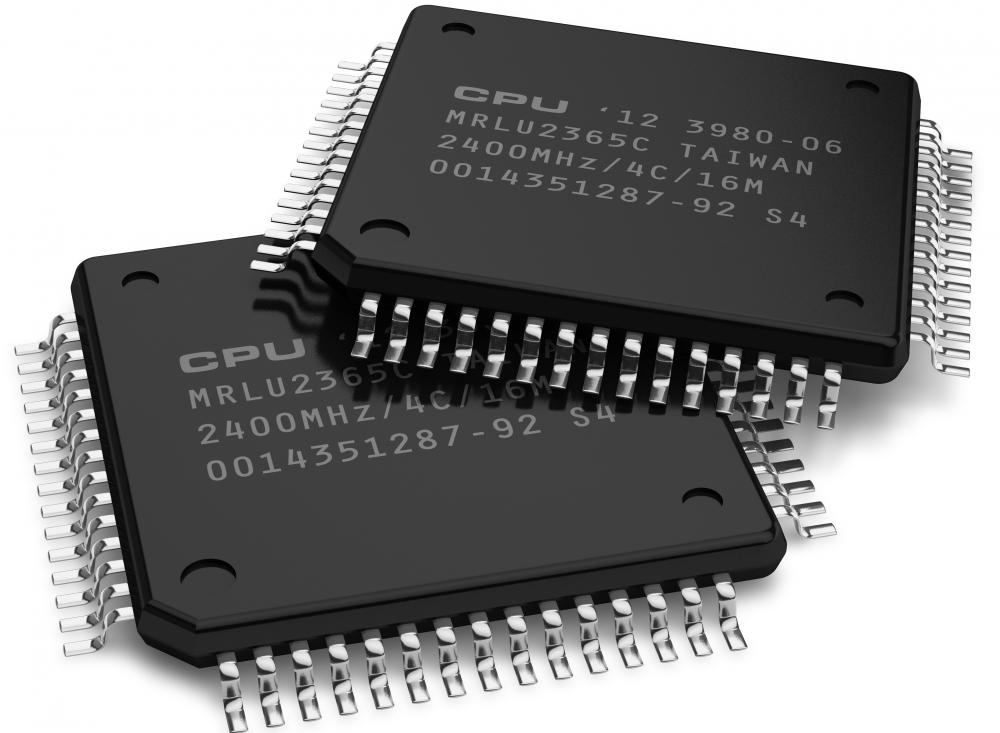
There are so many electronic gadgets that help us with our everyday lives. From mobile phones to laptops, from radios to television sets, technology runs the world today. But have you ever stopped to think what makes all these devices work? There are two components that are considered the heart and soul of electronic gadgets. These are the semiconductors and circuit boards.


Let’s first take a look at semiconductors. Their main purpose is to conduct electricity. Their crystalline and amorphous nature assures this process goes smoothly. Semiconductors also have extremely high levels of resistance, more than most materials. The hotter they get however, the less resistant they become. 

Semiconductors are usually found within circuit boards, like the ones found in microprocessors.

Printed circuit boards, or PCBs, support and connect electronic components to one another. Without them, there would be no volume control in radios, or you wouldn’t be able to change the channel on your TV. You wouldn’t be able to use the keyboard on your laptop, and you wouldn’t be able to punch in your PIN at the ATM machine. The size and shape of circuit boards vary with the size and shape of the device in which it’s installed. 


Hello there! My name is Gina Benderson, and I’m an IT researcher and scientist. I love talking about the latest tech gadgets. Learn more about the stuff I do here.